Why fall is the best time to plant in Pennsylvania
Most people think of spring as planting season. But in southeastern Pennsylvania, fall is often better. The air cools off, but the soil stays warm for weeks, so roots keep growing through October and into November.
By the time summer heat comes back, your new plants already have a full season of roots underneath them. That means less watering, less stress and better growth next year.
Here are 11 of our favorite plants to put in this fall.
Trees
- Serviceberry (Amelanchier). A native tree that gives you white spring flowers, summer berries for the birds and orange-red fall color. It stays small enough for most yards.
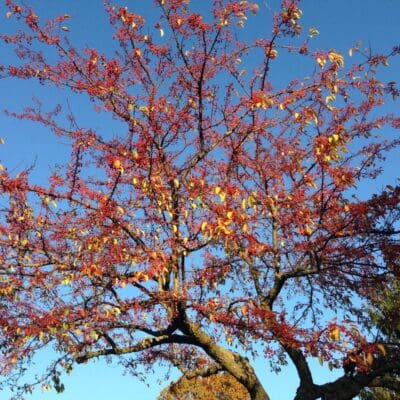
- Red maple (Acer rubrum). One of the best trees for wet ground, so it’s a great fit near a pond or in a low spot. Its fall color is some of the brightest around.
Looking for more tree ideas? See our list of the 10 best ornamental trees for southeastern PA.
Shrubs
- Winterberry holly. Loses its leaves in fall and shows off bright red berries all winter. It loves damp soil along pond edges. Plant one male for every few females to get berries.
- Oakleaf hydrangea. Big white flowers in summer, deep burgundy leaves in fall and peeling bark in winter. It’s a native shrub that looks good in every season.
- Inkberry holly. A native evergreen with a clean, tidy shape. With boxwood blight showing up across the region, inkberry is one of our go-to replacements.
Perennials and grasses
- Asters. Purple and blue flowers late in the season, right when bees and butterflies need food the most before winter.
- Switchgrass. A native grass that moves in the breeze and holds its shape through the snow. Leave it standing all winter and cut it back in early spring.
- Blue flag iris. A native iris that grows right at the water’s edge. It’s one of the easiest ways to soften the edge of a pond and make it look natural.
- Hellebores. Evergreen leaves for shady spots, and flowers that often open before winter is over.
Bulbs
- Daffodils. Deer and rodents leave them alone, and they come back every spring. Plant them now through early November.
- Alliums. Big purple globe flowers on tall stems in late spring. Deer don’t bother these either.
Deer are a real problem in Chester County. Check our deer-resistant plant list for Pennsylvania before you buy.
More great plants for fall
Our top 11 are a great place to start, but they’re far from the only good choices. Here are more trees, shrubs, perennials and bulbs that do well when planted in fall in southeastern Pennsylvania.
More trees
- American hornbeam. A tough native that handles shade and wet soil. Its smooth gray bark looks like flexed muscle, which is why some people call it musclewood. It stays small enough for most yards.
- Sugar maple. The classic fall tree, with orange, red and gold leaves. Give it room, because it gets big.
- Black gum. One of the first trees to turn scarlet in fall, and a favorite of birds and bees. It roots slowly, so plant it early in the season.
More shrubs
- Viburnums. Arrowwood and blackhaw viburnum are native, tough and deer-tolerant. They give you spring flowers, fall berries for birds and red to purple fall color.
- Summersweet (Clethra). A native shrub with sweet-smelling white flower spikes in late summer. It loves wet soil and draws in butterflies and bees.
- Buttonbush. A native with round white flower heads that look like little pincushions. It’s one of the best shrubs for growing right at the edge of a pond or in a rain garden.
- Fothergilla. Honey-scented white bottlebrush flowers in spring, then fall leaves in yellow, orange and red on the same plant.
- Ninebark. A hardy native with peeling bark and leaves in burgundy, gold or green, depending on the variety. It’s very easy to care for.
More perennials and grasses
- Goldenrod. Bright yellow flowers in late summer and fall. It doesn’t cause allergies, since ragweed is the real culprit, and it’s one of the most important fall plants for pollinators.
- Joe-Pye weed. A tall native with dusty pink flower heads that butterflies love. It’s great for the back of a border or along a pond.
- Little bluestem. A shorter native grass that turns copper and orange in fall and holds that color all winter.
- Swamp milkweed. A native milkweed that likes damp soil and feeds monarch caterpillars. It’s a great partner for blue flag iris at the pond’s edge.
- Heuchera (coral bells). Colorful leaves in lime, purple, orange and silver that brighten up shady spots all year.
- Coneflower and black-eyed Susan. Two reliable summer bloomers that handle heat and dry spells. Leave the seed heads up in fall for the goldfinches.
More bulbs
- Snowdrops. Tiny white flowers that often push up through the snow in late winter. Deer leave them alone.
- Crocus. Some of the first color of spring. Squirrels and deer like them, so plant them in protected spots or in the lawn.
- Tulips. Nothing beats them for spring color, but deer love them. Plant them close to the house, in pots or behind a fence.
Plants to save for spring
Some trees root slowly and have a hard time when planted in fall. These include birch, dogwood, magnolia, redbud, tulip poplar, bald cypress and most oaks. Wait until spring to plant them.
Tips for fall planting
- Water deeply once or twice a week until the ground freezes, especially if the fall is dry.
- Mulch 2 to 3 inches around new plants, but keep it off the trunks and stems.
- Skip the fertilizer. Let the plant put its energy into roots.
Your fall planting timeline
- Mid-September to mid-October: The best window for trees, shrubs, evergreens and perennials. Soil is warm and there’s plenty of time for roots to grow before the ground freezes.
- October to early November: Prime time for spring bulbs. Wait until the soil cools, after a few frosty nights, so the bulbs don’t sprout early.
- Through late November: Deciduous trees and shrubs can still go in as long as the ground isn’t frozen. Water them well going into winter.
- Once the ground freezes: Stop planting and start planning for spring.
Fall planting FAQ
When is it too late to plant in Pennsylvania?
As long as the ground can be dug and isn’t frozen, you can plant most trees and shrubs. In southeastern PA, that usually means late November. Evergreens do best planted by mid-October, because their leaves keep losing water all winter.
Do I need to water plants in the fall?
Yes. New plants need about an inch of water a week until the ground freezes. Fall droughts are common here, and a dry fall is one of the main reasons new plants struggle.
Should I fertilize new plants in the fall?
No. Fertilizer can push tender new growth that gets damaged by frost. Let the plant focus on its roots, and feed it in spring if needed.
What are the best plants to put around a pond?
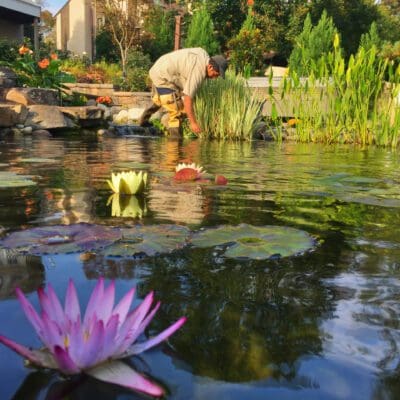
Natives that like wet feet, like blue flag iris, swamp milkweed, buttonbush, summersweet and winterberry holly. They soften the edge, feed pollinators and help the pond look like it’s always been there.
What are the best deer-resistant fall plants?
Daffodils, alliums, snowdrops, hellebores, switchgrass and most viburnums are all good bets. No plant is completely deer-proof when deer are hungry enough, but these are rarely bothered.
Planting near your pond?
Fall is also the time to get your pond ready for winter. See our fall pond maintenance checklist for the 10 steps we follow.
Let Team Turpin plan your fall planting
Want help choosing the right plants for your yard? Our team designs and installs landscapes across Chester County and southeastern Pennsylvania.
Call 610.380.1119 or request a consultation.